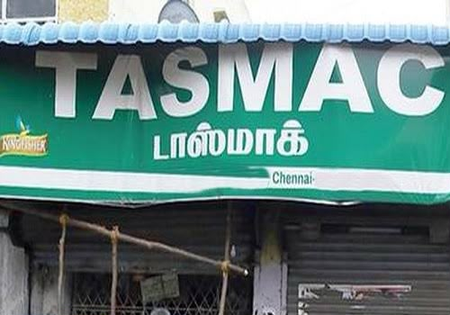
Chennai, Sep 20 (IANS) Tamil Nadu liquor retailer Tasmac is planning to make digital payments compulsory for purchases exceeding Rs 500 as part of efforts to reduce cash handling, improve transparency, and curb irregularities at its outlets across the state.
Under the proposed arrangement, customers can continue to use cash for purchases of up to Rs 500, while transactions above that limit will have to be completed through digital payment modes. Tasmac is expected to issue detailed instructions to retail outlets shortly.
The move follows concerns over the continued dominance of cash transactions despite Tasmac introducing a computerised system in 2024. The system was designed to digitise operations across the supply chain, covering liquor manufacturing units, warehouses, and retail shops. Staff now scan every bottle sold at a Tasmac outlet using a handheld device before handing it to the customer. The devices also support digital payments through QR codes. However, more than 80 per cent of liquor purchases at the outlets reportedly still settle in cash.
Tasmac records average daily sales of nearly Rs 150 crore, with the figure rising considerably during weekends, festivals, and public holidays. Retail outlets generally store the large volume of cash collected each day before transporting it to banks for deposit the following day. Officials believe this large-scale cash handling exposes employees to robbery and theft, particularly during transport. Greater use of digital payments is expected to reduce this risk while enabling the corporation to maintain a clearer record of transactions.
Tasmac already provides an online facility that lets customers select their preferred liquor brands, make digital payments, and generate a code. Customers can then use the code at a designated outlet to collect the bottles. However, the facility has drawn customer complaints about delays in receiving their purchases. Officials attributed the problem partly to some retail employees’ preference for direct cash transactions.
The proposed payment restriction is also expected to help prevent outlets from charging more than the officially prescribed maximum retail price. Digital records would make it easier to verify the exact amount collected for each purchase and identify discrepancies. Officials said the measure could additionally address frequent disputes over the non-availability of change.
Tasmac is expected to assess the arrangements needed at outlets before formally implementing the Rs 500 cash-payment ceiling.
–IANS
aal/dan
About the Author