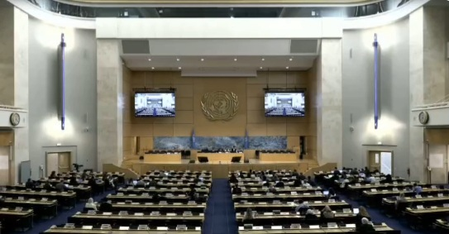
Geneva, Sep 24 (IANS) Human rights violations and socio-economic deprivation in the Pakistan-occupied Jammu and Kashmir (PoJK) were raised at the ongoing 63rd session of the UN Human Rights Council (UNHRC) in Geneva. Activists called for independent international probe into the crackdown on protesters in the region.
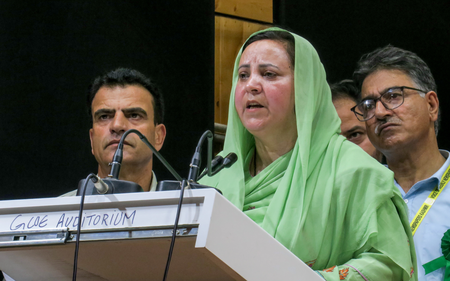
In an oral statement, social activist Harleen Kour said that the people in PoJK have been on the streets for months demanding food, electricity, employment, better infrastructure and political representation.
She said these peaceful protests have been met with excessive force, arbitrary detentions, communication blackouts and the use of anti-terror laws against peaceful groups.
“This Council cannot remain silent while fundamental human rights are violently suppressed,” she told the Council, alleging extrajudicial killings and mass detentions.
She also said that resources extracted from the region benefit external interests while locals face acute inflation, unemployment and poor infrastructure.
Kour urged the UNHRC to set up an independent fact-finding mission on civilian deaths, unlawful detentions and use of excessive force. She also called for an immediate end to security crackdowns, restoration of full communications and digital access, and protection for political activists and local leaders facing harassment.
The issue was also raised at a side event on September 23 at the Geneva Press Club, organised by the civil society at a discussion titled “Empowering Tomorrow: Youth Innovation, Gender Equality and the Transition to Peace (in Jammu and Kashmir)”.
Several speakers highlighted youth innovation in Jammu and Kashmir and growing atrocities on minorities in Pakistan and PoJK. They emphasised that Jammu and Kashmir’s youth were moving from conflict-related disruption towards education, innovation, entrepreneurship and opportunity.
Social activist Tehmina Rizvi compared gender equality on the two sides – Jammu and Kashmir and POJK. She cited data on women-led self-help groups, political representation, literacy, startups and youth demographics, and argued these trends could contribute to sustainable peace and inclusive development.
Seerat Gowhar Mir said Jammu and Kashmir had moved “from stone pelting to ballots”, pointing to rising voter participation and greater access to education, technology and opportunity. She described this as a change in the mindset and added that political disagreement is an integral part of democracy.
Farooq Ganderbali, President of Voice for Peace & Justice, said Pakistan-sponsored terrorism and extremism had held back development in Jammu and Kashmir. He noted Kashmiri youth’s growing achievements in sports and asked the forum to condemn alleged atrocities by Pakistani forces on PoJK residents during recent protests.
Author and columnist Sheikh Minhaj said young Kashmiris are increasingly looking forward and seeking progress, technology, education and entrepreneurship. Peace, he said, is not merely the absence of violence but the presence of opportunity.
World Sindhi Congress leader Hidayat Bhutto voiced concerns over the erosion of Kashmir’s distinct language, culture and history, and recalled its tradition of communal harmony.
He claimed terrorism and violence had also affected Khyber Pakhtunkhwa and Balochistan, held Pakistan responsible for promoting terrorism in these regions, and called for unity among the communities facing human rights challenges and cultural marginalisation.
–IANS
scor/mr
About the Author