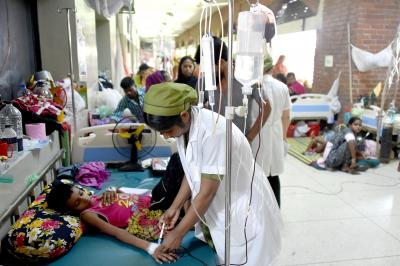
New Delhi, Nov 1 (IANS) Millions of people in Bangladesh cannot afford health care. The cost of blood pressure tests, a month’s diabetes medicine or a journey to the nearest hospital can become a financial burden that many families struggle to bear, according to a report in Dhaka-based The Daily Star.
The report cites a new World Health Organisation (WHO) report, published on October 20, which reveals a troubling reality that where people live, how much they earn and how far they have studied can determine their chances of staying healthy and receiving treatment.
In Bangladesh, diseases such as diabetes, cancer and heart disease account for approximately 71 per cent of all deaths. Meanwhile, patients pay 79.31 per cent of healthcare costs directly from their own pockets, according to World Bank figures cited in the source material.
The WHO report, examining inequalities within countries worldwide, highlights how disadvantaged communities face greater risks from heart disease, cancer, diabetes and long-term breathing problems. They also encounter more obstacles in getting tested, diagnosed and treated.
The WHO findings reveal that poorer communities often struggle to access basic healthcare. People living in rural areas may have fewer opportunities to check and treat high blood pressure, while disadvantaged women are less likely to receive screening for cervical cancer.
The Daily Star report points out that simply telling people to eat better, exercise more or visit doctors regularly cannot solve problems rooted in poverty and limited access.
Experts emphasise that preventing disease is only half the battle. Ensuring affordable and continuous treatment is equally important. For Bangladesh, this means making blood pressure and diabetes checks more accessible, keeping essential medicines available and strengthening healthcare services closer to communities, according to the report.
Financial protection is crucial so that families are not forced to sacrifice food, education or household necessities to pay medical bills. Health authorities must also look beyond national averages and identify which communities are being left behind.
Ultimately, a healthier Bangladesh cannot be measured by hospitals built or awareness campaigns launched. Its real achievement will be ensuring that everyone, regardless of income, education or address, has a fair chance to live a healthy life, the report added.
–IANS
sps/na
About the Author